
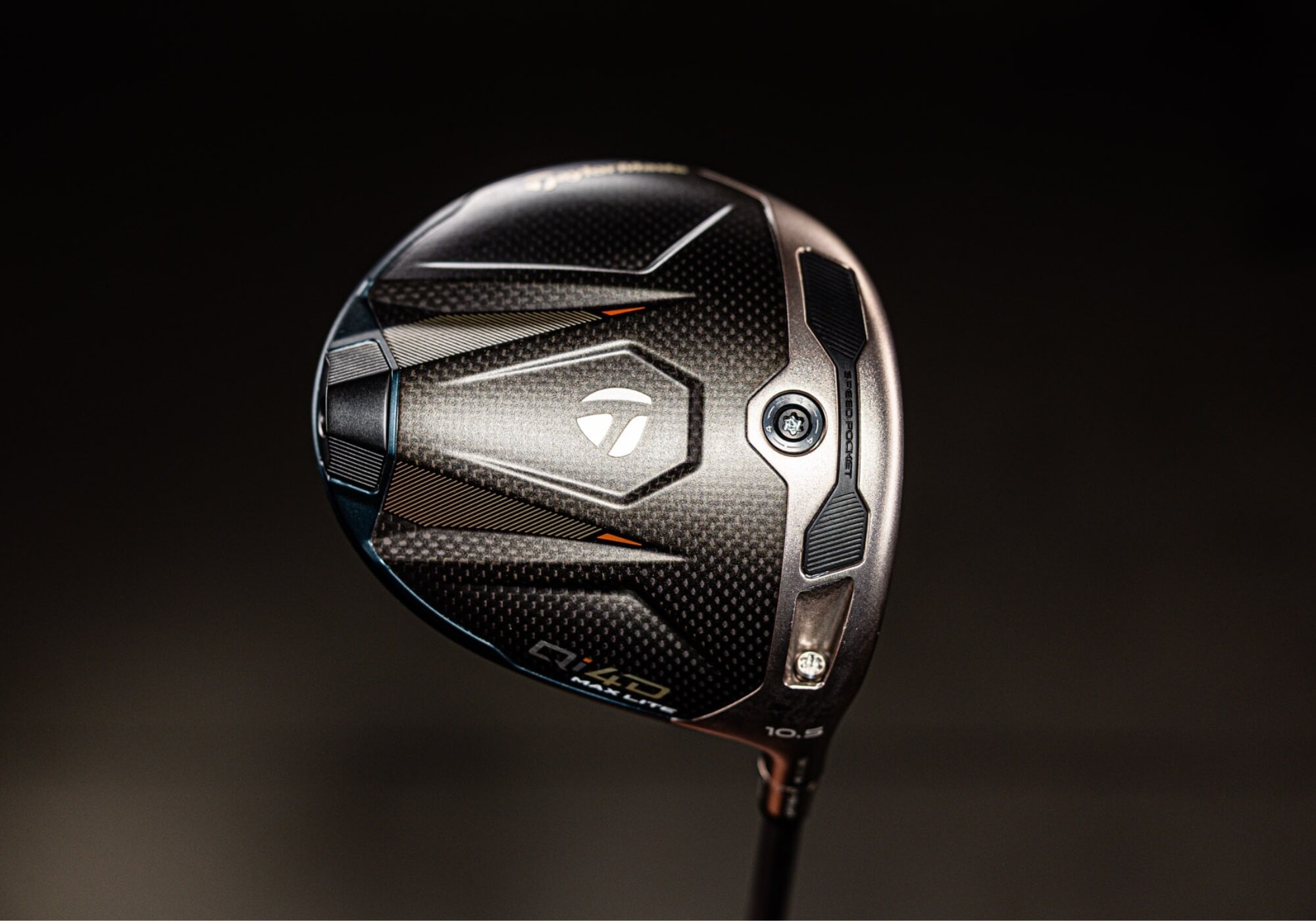
Every major manufacturer released a new driver this year. We tested all twelve — on a launch monitor, on the range, and on the course — over three months and across a range of swing speeds and ball flights. The results were more decisive than we expected.
The testing protocol was straightforward: ten shots per club on a Trackman, recorded for ball speed, launch angle, spin rate, and carry distance. Then ten shots on the range to assess feel and sound. Then a round of golf with each driver to evaluate performance under real conditions, where the lie is not always perfect and the pressure is not always zero.
Most of the drivers in the test were good. A few were very good. One was clearly better than the rest across every metric that matters for the widest range of golfers: faster ball speed on center strikes, more forgiveness on mishits, and a sound at impact that feels expensive without being artificially muted.
The adjustability options on the winner are genuinely useful rather than just marketing. The weight system allows meaningful changes to ball flight without requiring a fitting appointment to understand. The shaft options cover the full range of swing speeds. And the head shape inspires confidence at address without looking like it was designed by committee.
The runner-up deserves mention. It was the best driver in the test for high-swing-speed players who prioritize workability over forgiveness. If you carry the ball more than 270 yards and want to shape shots, it is worth a serious look. For everyone else, the winner is the answer.
Filed under
Canesh Arce
Canesh Arce is the Founder of The Par Report, covering the PGA Tour, major championships, and the business of professional golf.