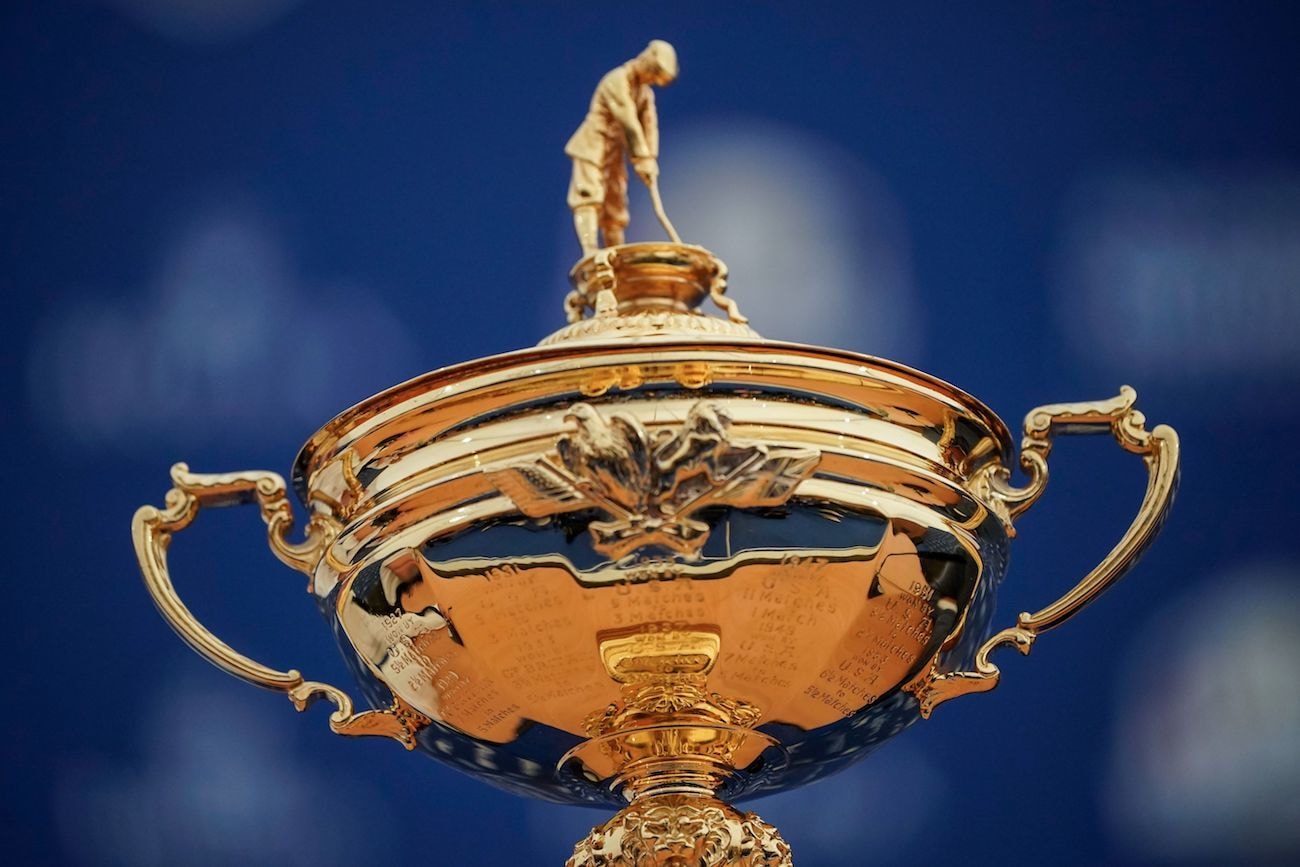
Ryder Cup selection has never been a pure meritocracy. It has always been part performance, part politics, part gut feeling from a captain who has to live with the consequences of every pick for two years after the final putt drops. This cycle is no different — and the conversations happening behind closed doors are more interesting than the points lists suggest.
On the American side, the automatic qualifiers are largely settled. The top six in the standings have separated themselves from the field, and barring a catastrophic collapse or an injury, those spots are locked. The captain's picks are where the real decisions get made — and where the lobbying begins.
The European picture is more complicated. The DP World Tour and PGA Tour points systems create a selection process that rewards consistency across two tours, which means players who have focused their schedules on one side of the Atlantic can find themselves on the outside looking in despite strong results.
The wildcards to watch: a veteran who has played in five Ryder Cups and brings locker room credibility that no points system can quantify; a rookie who has won twice this season but has never experienced the atmosphere of a team event at this level; and a player whose form has been inconsistent but whose record in match play is exceptional.
The captains will make their picks in the coming weeks. Some will be obvious. A few will be controversial. At least one will look like a mistake until it turns out to be the decision that wins the cup. That is the nature of the Ryder Cup — and why it remains the most compelling team event in golf.
Filed under
Canesh Arce
Canesh Arce is the Founder of The Par Report, covering the PGA Tour, major championships, and the business of professional golf.